Transform Your Space: Vital Details Regarding Home Renovation Work for Every Homeowner
Property owners frequently look for ways to improve their living spaces via professional remodeling. Such undertakings may vary from small kitchen fixes to full house remodeling. Understanding the options available is essential for deciding wisely. Moreover, one must consider tangible aspects including financial planning and contractor selection. When property owners embark on this process, they may find themselves facing unforeseen difficulties. Achieving a successful makeover depends on meticulous preparation and performance. What are the next necessary steps?
Understanding the Different Types of Home Remodeling Services
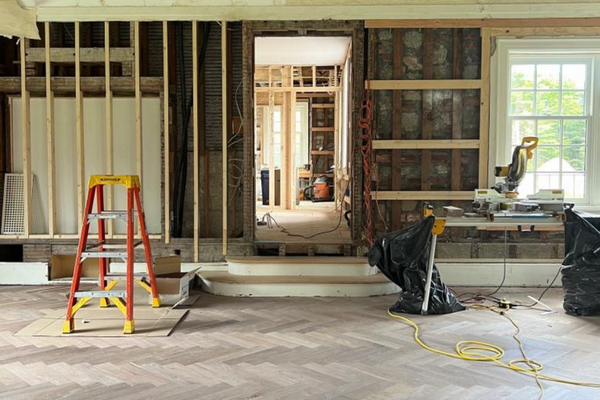
When property owners think about upgrading their homes, they often encounter numerous renovation options designed for specific preferences and preferences. These services can be broadly categorized into various categories, each focusing on particular areas of home improvement. Renovating the kitchen involves updating appliances, storage units, and layouts to improve usability and visual appeal. Renovating the bathroom usually includes improving the fittings, tiles, and shelving options for greater ease and style.
Whole-home remodeling encompasses significant changes throughout the residence, often including structural alterations to make the most of the space and movement. External improvement work, conversely, concentrate on enhancing the property's street view, addressing siding, the roof, and the yard. Additionally, specialized services discover details on like basement finishing and attic conversions allow homeowners to maximize underutilized spaces. Every renovation category delivers specific perks, letting residents pick services that align with their vision for their residence. Grasping these differences is crucial to making informed decisions while undertaking the upgrade.
Establishing a Practical Spending Plan for Your Home Improvement Work
What steps ensure their renovation work stays within budget? Establishing a realistic budget is crucial. It is advisable for homeowners to begin by assessing their monetary resources, like savings and available loan choices. This first stage will help determine the funds available for the updating project while maintaining other fiscal obligations.
Subsequently, property owners need to look into the financial requirements of their intended changes, taking into account materials, labor, and unexpected costs that frequently occur. Making an exhaustive list of needs aids in distinguishing essentials from desirable features, enabling modifications if the finances are strained.
It is prudent to set aside an emergency fund, generally 10-20% of the entire budget, to handle unforeseen expenses. Periodically examining and tweaking the budget during the renovation project can further assist in keeping finances in check. Finally, a thoroughly prepared budget not only guarantees project viability and makes the whole updating experience better for homeowners.
Choosing the Right Contractor for Your Needs.
Selecting the right contractor can significantly affect the outcome of an updating effort. Homeowners should begin by performing extensive investigation, looking for suggestions from acquaintances, relatives, or web feedback. It’s vital to verify credentials, like licenses, insurance, and bonds, to verify their standing.
When prospective builders are located, they should seek detailed cost breakdowns and timeframes, allowing for informed comparisons. Meeting with them offers a look at their manner of communicating and their professional conduct, which are essential for a collaborative process.
In addition, looking at completed jobs through galleries or recommendations shows the builder's standard of work. It is wise to question them regarding warranties or safeguards, indicating the builder's certainty about their services.
Finally, picking a builder whose approach fits the property owner's ideas, cost plan, and timeframe creates a better renovation journey, ensuring the work fulfills requirements and changes the space as intended.
Structuring and Laying Out Your Ideal Space.
As homeowners envision their ideal spaces, thorough preparation and well-considered layout become essential components of an effective updating job. The beginning stage requires reviewing existing necessities and future desires, to gain a complete comprehension of the area's utility. Owners must take into account practicality, visual appeal, and their individual taste, to guarantee the design showcases their distinctive choices.
Following this, it is critical to create a detailed budget. This budget should account for supplies, labor, and contingency funds. Consulting with design experts can provide valuable insights, assisting in improving the layout while sticking to budgetary constraints.
Including features such as ample daylight, spacious designs, and sustainable materials can elevate the living environment. Finally, visualizing the project through drawings or computer models can help perfect concepts before starting the work. By approaching the planning and design phase with intention, homeowners can design a welcoming, practical area customized for their needs.
Dealing with Permits and Building Codes in House Renovation
Understanding the complexities of permits and regulations can be challenging for homeowners starting on a remodeling project. Every local government sets particular guidelines that determine what is allowed during renovations, frequently shaped by zoning laws, building codes, and safety standards. It is essential for homeowners to understand local regulations to prevent expensive penalties or setbacks in the timeline.
Typically, obtaining permits is crucial for substantial modifications, such as modifying load-bearing elements or electrical work. This process often involves submitting plans for review and may require inspections at multiple points.
Working with a skilled professional can streamline these steps, as they are often familiar with local codes and can help manage the documentation. Owners must also maintain clear communication with the municipal planning office to verify legality throughout the project. By comprehending and working within these rules, homeowners can fulfill their improvement aims while ensuring safety and legality in their renovations.
Frequently Asked Questions
How Much Time is Needed for a Typical Remodeling Job?

A typical home remodeling project usually takes between three to six months, based on the size of the job, size of the home, and availability of materials. Intricate jobs could demand more time for completion.
What are the frequent blunders that people make during remodeling?
Frequent errors when renovating a home are things like failing to budget properly, ignoring necessary permits, overlooking timelines, failing to communicate effectively with contractors, and not considering long-term functionality. Awareness of these pitfalls often results in a less stressful, more successful remodeling experience.
How do I choose the right materials for the job?
Picking the best materials requires assessing how long they will last, aesthetics, and cost constraints. Looking into different products, talking to specialists, and considering maintenance needs will significantly help in reaching educated conclusions, to guarantee the project fits your needs and preferences.
Can I live in my home throughout the construction phase?
Yes, one can live in their home while work is ongoing, but you should expect some hassle. Careful planning, clear communication with contractors, and setting aside certain zones for essential activities will reduce the inconvenience while the work is underway.
What warranties should I expect from the renovation company?
Clients typically receive warranties for the labor performed, the products installed, and structural components, often covering a period of one to ten years. It is essential to examine the fine print and details in partnership with the renovation company to know the full extent of the guarantee and its restrictions.